

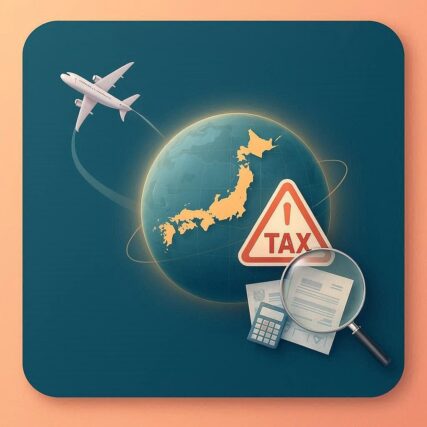
国外転出時課税(通称「出国税」)は、2015年(平成27年)税制改正により日本に導入されています。
特にキャピタルゲイン課税について、富裕層の課税逃れを防ぐ目的で導入されています。対象は、1億円以上の有価証券等を保有したまま海外へ移住するようなケースとなり、出国時における含み益に課税される制度です。
ちなみに、アメリカにおいても一定の居住者が、アメリカ市民権を放棄し永久帰国するような場合のExpatriation tax(通称”Exit tax”)制度があります。世界各国、富裕層に対する水際対策が講じられているのです。
以下は、2025年現在における制度の概略です。
国外転出時課税とは?
- 制度の概要
平成27年度税制改正で創設され、2015年7月1日以降の国外転出から適用されています。
出国時点で保有する株式や投資信託などの金融資産を「売却したもの」とみなし、その含み益に所得税・復興特別所得税が課されます。 - 対象者
以下の2条件を満たす人が対象です。- 国外転出時に1億円以上の対象資産を保有している
- 過去10年以内に5年を超えて日本に居住していた
- 対象資産
株式(上場・非上場)、投資信託、匿名組合契約の出資持分、未決済の信用取引やデリバティブ取引など。
※不動産や預貯金は対象外。
なぜ課税されるのか?
- 背景には、租税回避の防止があります。
例えば、含み益のある株式を売却する前にキャピタルゲイン課税のない国(香港、シンガポール、マレーシア、タイ、UAE等)へ移住すると、日本でも移住先の国でも課税されないケースが生じます。これを防ぐため、出国時点で課税する仕組みが導入されています。
納税猶予制度
- 出国までに納税管理人を選定し、担保を提供することで、国外転出時課税の納税猶予が可能。
- 猶予期間は原則5年、延長により最大10年まで可能。
- 納税猶予期間中は、毎年「継続適用届出書」の提出が必要。
- 対象資産を継続保有したまま5年以内に帰国する等、一定の場合には課税の取り消しが可能。
- 5年以内帰国の場合の課税の取り消しには、帰国後4か月以内に更正の請求が必要。
相続・贈与の場合
- 出国者本人だけでなく、国外居住者への贈与や相続によって資産が移転する場合も課税対象となります。贈与・相続の対象となった資産の含み益に課税される仕組みです。
実務上の注意点
- 申告のタイミング
➤納税管理人を選定して納税猶予の適用を受ける場合は、国外転出日の翌年の確定申告期限までに申告(相続の場合には相続開始日から4か月以内に相続人全員で申告)。
➤納税管理人を選定せず納税猶予の適用を受けない場合は、国外転出時までに準確定申告と納税が必要(相続の場合には相続開始日から4か月以内に準確定申告と納税)。
まとめ
国外転出時課税は、海外移住を計画する富裕層にとって大きなインパクトを持つ制度ですが、相続・贈与の場合においても以外な盲点として影響のある制度です。
1億円以上の金融資産を保有している方は、必ず制度を理解し、専門家への相談と共に納税猶予制度の活用や申告手続きの準備を行うことが重要です。
Exit Tax in Japan
The “Exit Tax” was introduced in Japan through the 2015 (Heisei 27) tax reform.
In particular, it was established to prevent wealthy individuals from avoiding capital gains taxation. The system applies to cases where someone emigrates overseas while holding securities worth 100 million yen or more, and unrealized gains are taxed at the time of departure.
Incidentally, the United States also has an Expatriation Tax (commonly called the “Exit Tax”) for certain residents who renounce U.S. citizenship and permanently leave the country. Around the world, measures are being implemented to prevent tax avoidance by high-net-worth individuals.
The following is an overview of the Exit Tax system in Japan as of 2025.
What is the Exit Tax in Japan?
The Exit Tax was created under the 2015 tax reform and has applied to departures from Japan since July 1, 2015.
At the time of departure, financial assets such as stocks and investment trusts are treated as if they were sold, and the unrealized gains are subject to income tax and the special reconstruction income tax.
➤Eligible Individuals
The following two conditions must be met:
- Holding taxable assets worth 100 million yen or more at the time of departure
- Having resided in Japan for more than five years within the past ten years
➤Taxable Assets
- Stocks (listed and unlisted)
- Investment trusts
- Partnership interests under anonymous association contracts
- Outstanding margin transactions and derivative transactions
Note: Real estate and bank deposits are excluded.
Why is it taxed?
The background lies in preventing tax avoidance.
For example, if someone emigrates to a country without capital gains tax (such as Hong Kong, Singapore, Malaysia, Thailand, or the UAE) before selling appreciated stocks, they may avoid taxation both in Japan and in their new country of residence. To prevent this, Japan introduced taxation at the time of departure.
Tax Payment Deferral System
- The deferral period is generally five years, and may be extended up to a maximum of ten years.
- During the deferral period, the annual filing of a designated notification form is mandatory.
- If the taxpayer continues to hold the relevant assets and returns to Japan within five years, taxation may be canceled under certain conditions.
- In the case of returning within five years, cancellation of taxation requires filing a request for correction within four months after returning to Japan.
Inheritance and Gifts
The Exit Tax applies not only to the departing individual but also when assets are transferred through inheritance or gifts to non-residents. In such cases, unrealized gains on the transferred assets are taxed.
Practical Points to Note
➤Filing Timing
- If a tax agent is appointed and the tax deferral system is applied:
- Filing must be completed by the tax return deadline of the year following the date of departure.(In the case of inheritance, all heirs must file within four months from the commencement of inheritance.)
- If no tax agent is appointed and the tax deferral system is not applied:
A quasi-final tax return and payment must be completed by the time of departure.
(In the case of inheritance, a quasi-final tax return and payment must be completed within four months from the commencement of inheritance.)
Conclusion
The Exit Tax in Japan is a system with significant impact on wealthy individuals planning to emigrate overseas, but it also affects cases of inheritance and gifts.
Anyone holding financial assets worth 100 million yen or more must understand the system, consult with professionals, and prepare for both the use of the tax deferral system and the necessary filing procedures.