

六本木ヒルズが竣工した2003年から早くも20年以上の時が経過しました。
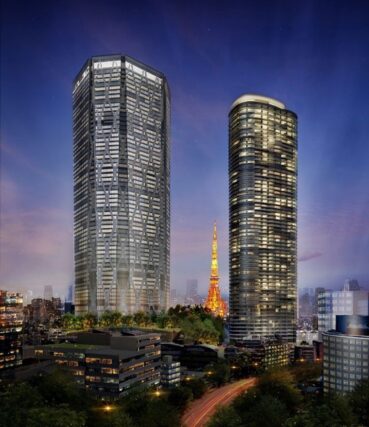
そして、この六本木ヒルズ隣接エリアの新たなプロジェクト「六本木五丁目西地区」第一種市街地再開発事業、通称第2六本木ヒルズが今注目されています。
「第2六本木ヒルズ」は、2030年度の完成を目指す東京最大級の都市開発プロジェクトです。森ビルと住友不動産が手掛けるこの計画は、六本木の街並みを「未来都市」へとアップグレードすべく新たなランドマークとして期待されています。
第2六本木ヒルズとは?
- 正式名称は「六本木五丁目西地区第一種市街地再開発事業」
- 2023年7月に「六本木五丁目プロジェクト」の都市計画提案を実施し、2024年4月に都市計画決定
- 都市再生特別地区の区域面積:約10.1ヘクタール、総延床面積は約108万㎡という国内最大級の規模
- 広大な敷地を人工地盤で一体的に覆い、さらにその上を緑で覆うことで、約16,000㎡の屋上庭園「都心の森」を創出
- 開発事業主は森ビル株式会社と住友不動産株式会社
- 着工予定:2025年度/竣工予定:2030年度

(出典:都市再生特別地区(六本木五丁目西地区)都市計画(素案)の概要より)
計画の特徴
- A街区(高さ約327m)
地上66階・地下8階の超高層複合ビル。オフィス、ホテル、商業施設、文化施設、展望施設を備え、最上階には都心を一望できる展望台が設置予定。 - B街区(高さ約288m)
地上70階・地下5階のタワーマンション。約800戸の住居に加え、店舗やオフィスも併設。国際水準の居住サービス(バイリンガルコンシェルジュ、フィットネスジムなど)を提供。 - C街区
学校施設(東洋英和女学院小学部・幼稚園)が入居予定。 - D街区
イベントホールやホテルを計画。国際文化会館や旧岩崎邸庭園も保存され、歴史的価値を継承。
六本木の未来像
2003年に開業した六本木ヒルズが街のイメージを刷新したように、第2六本木ヒルズはさらに大規模で多機能な都市空間を生み出します。
麻布台ヒルズに匹敵する高さと規模を誇り、オフィス・住宅・商業・文化・教育・交流機能を一体化することで、六本木の街を再定義する存在となるでしょう。
まとめ
第2六本木ヒルズは、六本木エリア再開発予定地の中心であり、東京の都市構造を大きく変えるプロジェクトです。六本木エリアの再開発は、今後も国際都市東京の新たなランドマークを創出していくことでしょう。
世界中が注目するような「未来都市」の創出は、なかなか簡単なことではありませんが、日本全体のエネルギーの源泉ともなり得る良い循環が未来に向けて生まれることを期待しています!
It has already been more than 20 years since the completion of Roppongi Hills in 2003.
Now, attention is turning to a new project adjacent to Roppongi Hills: the Roppongi 5-chome West District Type 1 Urban Redevelopment Project, commonly referred to as “Roppongi Hills II.”
This ambitious project, led by Mori Building and Sumitomo Realty & Development, is one of the largest urban developments in Tokyo, aiming for completion in fiscal year 2030. It is expected to become a new landmark that upgrades Roppongi into a true “future city.”
What is Roppongi Hills II?
- Official Name: Roppongi 5-chome West District Type 1 Urban Redevelopment Project
- Timeline: Urban planning proposal submitted in July 2023; officially approved in April 2024
- Scale: Approx. 10.1 hectares in area, with a total floor space of about 1.08 million m² — among the largest in Japan
- Design Concept: The vast site will be covered with an artificial ground platform, topped with greenery to create a rooftop garden of about 16,000 m² called “Forest in the City.”
- Developers: Mori Building Co., Ltd. and Sumitomo Realty & Development Co., Ltd.
- Construction Schedule: Start in fiscal year 2025, completion in fiscal year 2030
Key Features of the Plan
- Block A (Approx. 327m tall)
A super high-rise complex with 66 floors above ground and 8 below. It will include offices, a hotel, commercial facilities, cultural spaces, and observation decks. The top floor will feature an observatory offering panoramic views of central Tokyo. - Block B (Approx. 288m tall)
A 70-story residential tower with 5 basement levels, housing about 800 units. It will also include shops and offices, offering international-standard residential services such as bilingual concierge support and fitness facilities. - Block C
Educational facilities, with plans for Toyo Eiwa Jogakuin Elementary School and Kindergarten to move in. - Block D
An event hall and hotel are planned. The International House of Japan and the historic Iwasaki Residence Garden will be preserved, ensuring continuity of cultural and historical value.
The Future Vision of Roppongi
Just as the opening of Roppongi Hills in 2003 transformed the image of the district, Roppongi Hills II will create an even larger and more multifunctional urban space.
With a scale and height rivaling Azabudai Hills, it will integrate offices, residences, commerce, culture, education, and community functions — redefining the very identity of Roppongi.
Conclusion
Roppongi Hills II stands at the center of the planned redevelopment of the Roppongi area, and it is set to dramatically reshape Tokyo’s urban structure. The redevelopment of Roppongi will continue to generate new landmarks for Tokyo as a global city.
Creating a “future city” that attracts worldwide attention is no easy task. Yet, this project has the potential to spark a positive cycle that could become a source of energy for all of Japan as we move toward the future.